01
Accuracy
Repeatable measurement for confident engineering and pass/fail decisions.
Battery test systems · Made in India
Cell, module and pack testing. End-of-line validation. BESS power conversion.
Hover or tap a marker to explore
118
years of Ador industrial heritage
94%
regenerative efficiency, system dependent
2 hr
technical query response commitment
Pan-India
engineering, service and spares
The battery testing landscape
ADPL supports the decisions that move a battery from early characterization to safe, repeatable production and dependable field performance.
01 / CHARACTERIZE
Flexible, accurate systems for cell characterization, validation, pulse and drive-cycle testing.
R&D · Institutes · Test houses
Problems we solve
Engineering choices affect far more than a specification sheet. They determine throughput, uptime, safety and lifecycle economics.
Repeatable measurement for confident engineering and pass/fail decisions.
Independent channels and regenerative operation raise throughput without multiplying footprint.
Over-voltage, over-current, insulation and emergency protection engineered into the system.
Configurations shaped around chemistry, format, voltage, current and test profile.
Actionable test data, BMS communication and MES-ready production workflows.
Local spares, calibration and engineering support reduce avoidable downtime.
Product portfolio
Compare the core platform ranges below. Final systems are configured to the application, channel count, power and integration requirement.
 Cell
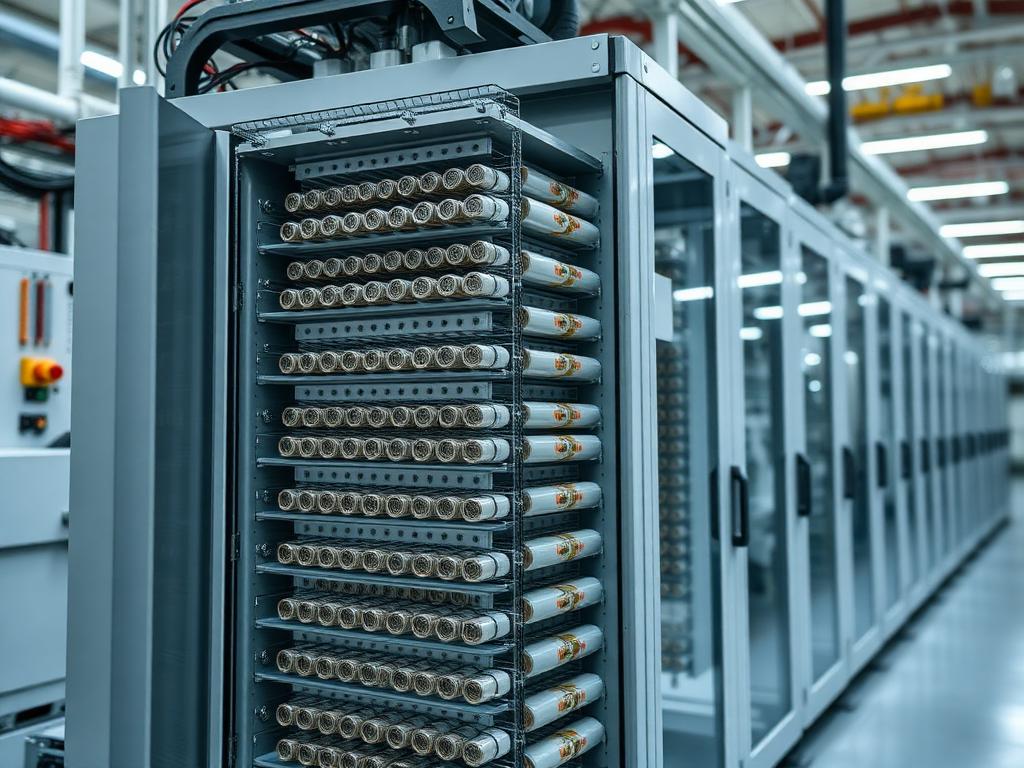
CellTest more. Grade better. Operate smarter.
Production grading · Quality
Request configuration & datasheet ↗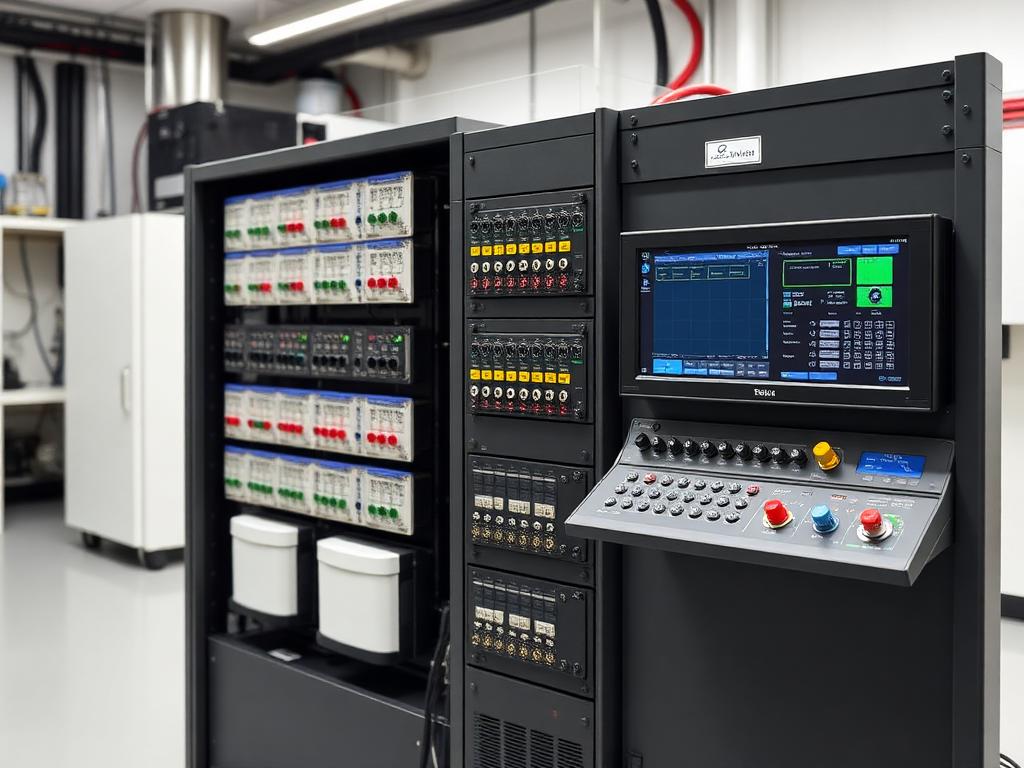 Cell
CellOne platform from characterization to production.
R&D · Quality · Production
Request configuration & datasheet ↗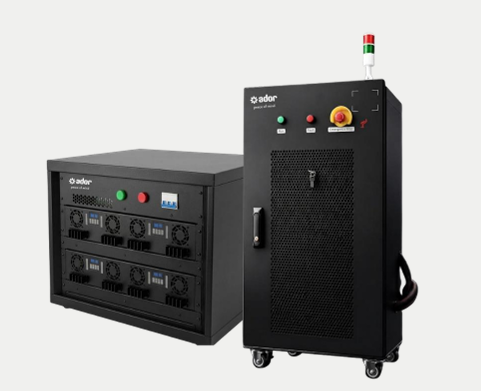 Module & Pack
Robust module testing without multiple machines.
R&D · Quality · Production
Request configuration & datasheet ↗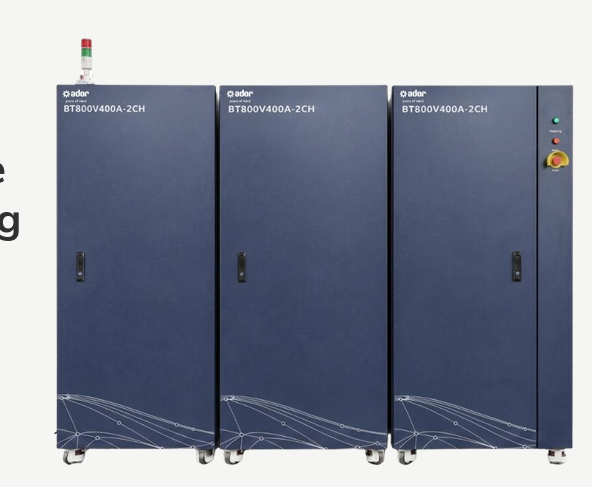 Module & Pack
Stable, accurate testing under extreme loads.
EV packs · Stationary storage · Production
Request configuration & datasheet ↗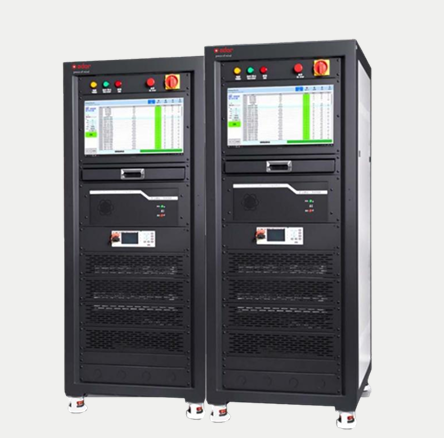 End-of-Line
The final safety check before a battery pack ships.
Production · Quality · MES traceability
Request configuration & datasheet ↗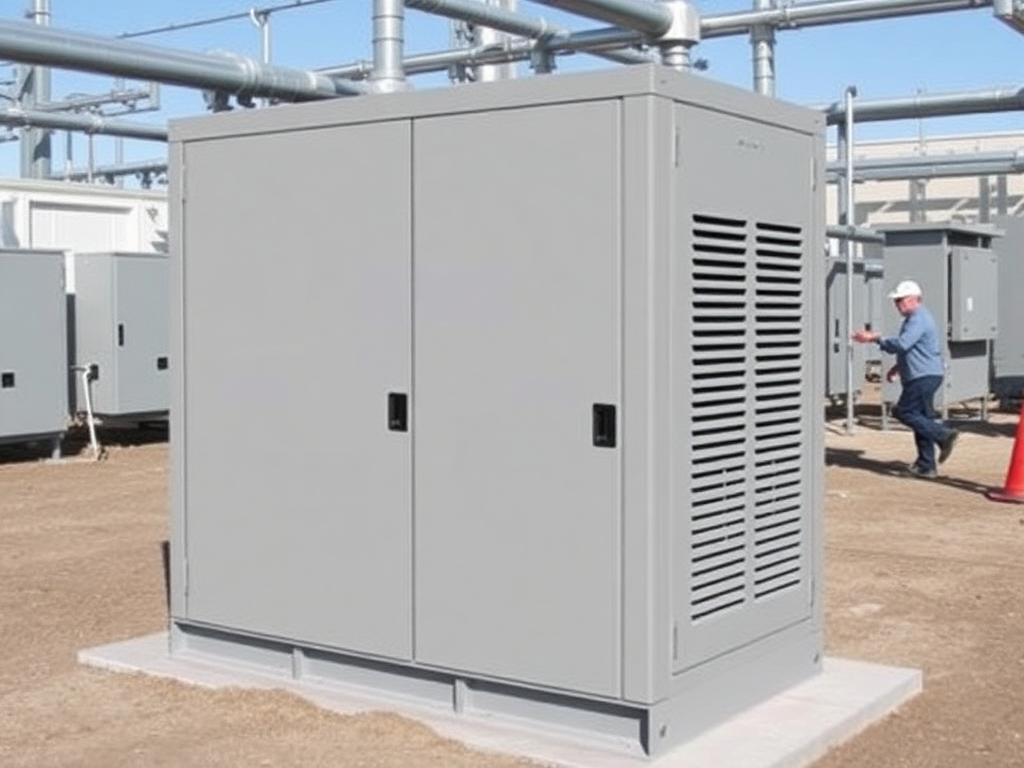 BESS
BESSModular power conversion for grid-tied BESS.
Grid-tied BESS · C&I storage · Battery clusters
Request configuration & datasheet ↗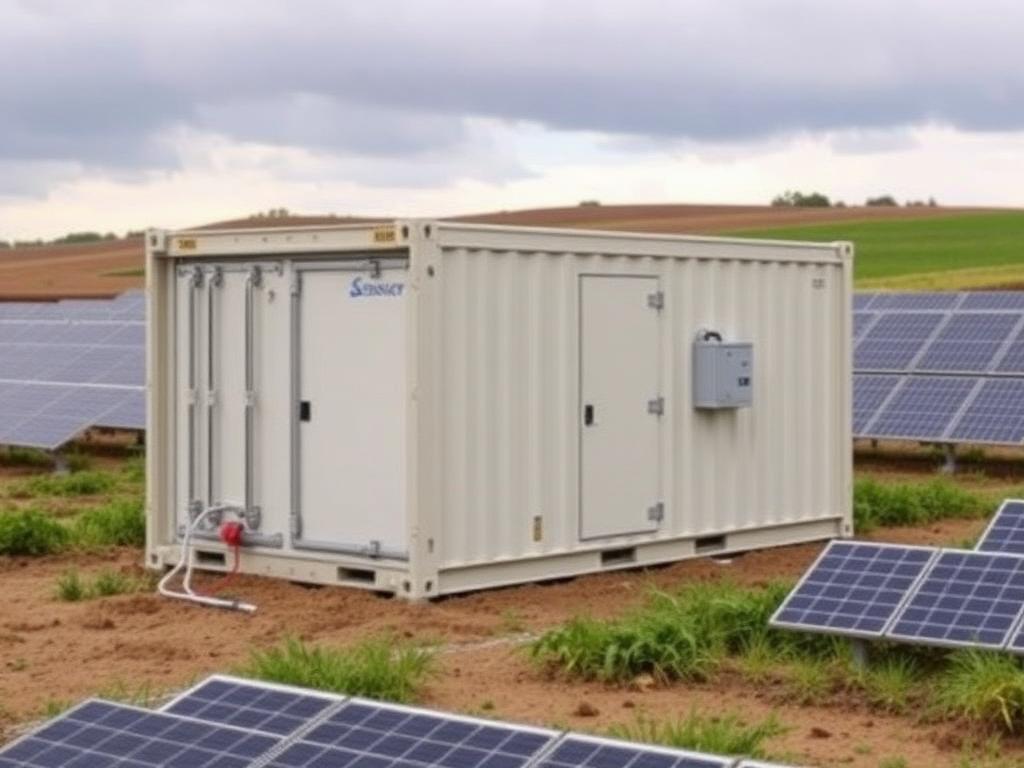 BESS
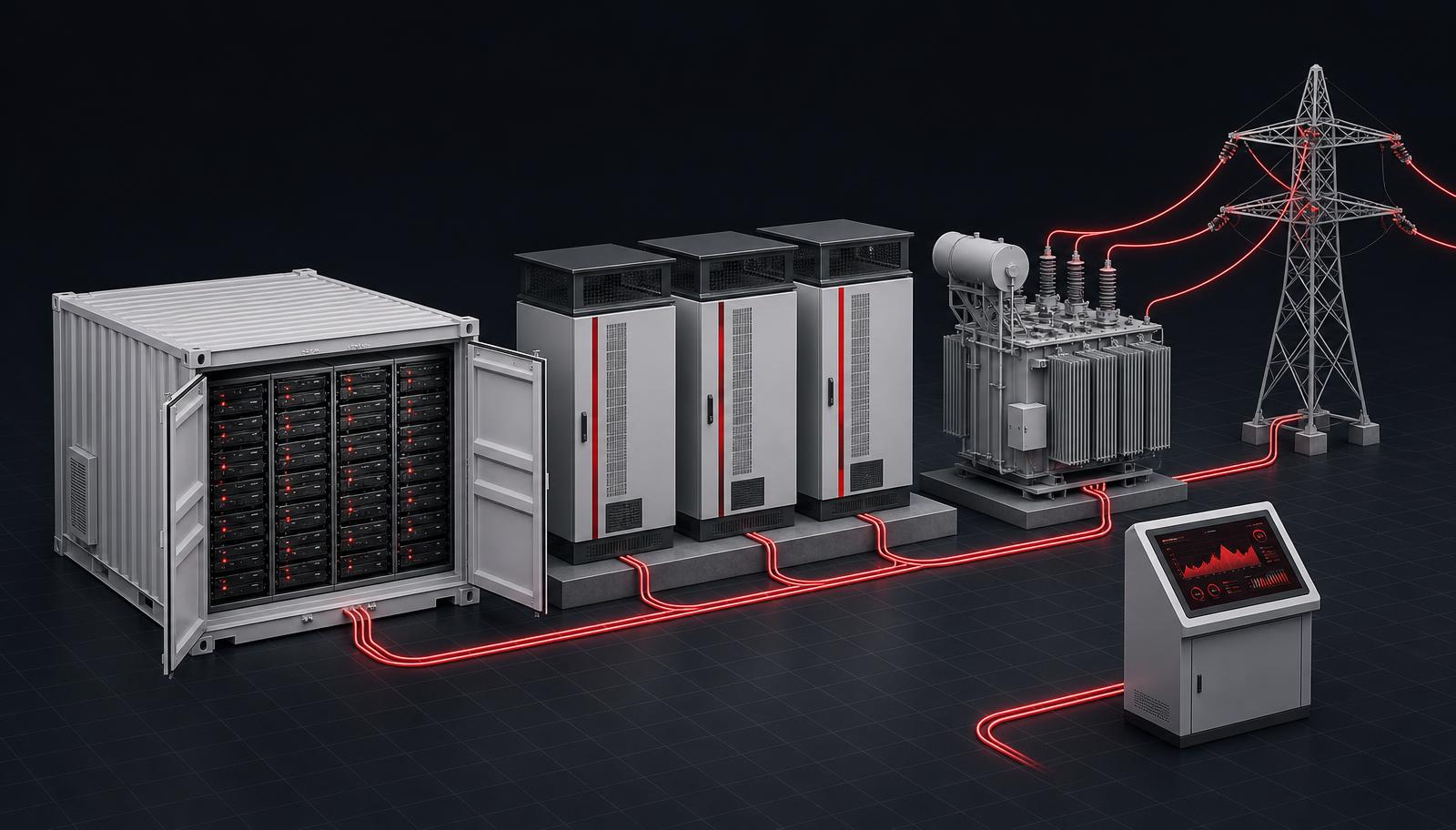
BESSContainerised conversion for utility-scale storage.
Utility BESS · Grid support · Containerised deployment
Request configuration & datasheet ↗How we engage
One accountable Indian engineering team, from the first requirement conversation to calibration, spares and future upgrades.
Application, chemistry, format and throughput
Right-sized channels, power and test profiles
India manufacturing and configured supply
Installation, integration and onsite validation
Operator training and workflow setup
Calibration, service, spares and upgrades
The local advantage
Software & standards
Computer-controlled platforms support configurable test sequences, real-time monitoring and data workflows across laboratory and production environments.
Certified management systems
Energy recovery estimator
During discharge, an energy-feedback system can return energy instead of converting it into heat. Estimate the annual electricity value that could be recovered.
Illustrative estimate only. Actual savings depend on duty cycle, system configuration, conversion losses, cooling load and applicable tariff.
Indicative recovered energy
900 MWh
Indicative annual electricity value
₹72,00,000
Talk to an application engineer
Share the cell or pack format, voltage, current, application and expected throughput. We'll help define the right configuration.